GentleWave Alternative: How Our Endodontist Cleans Root Canals
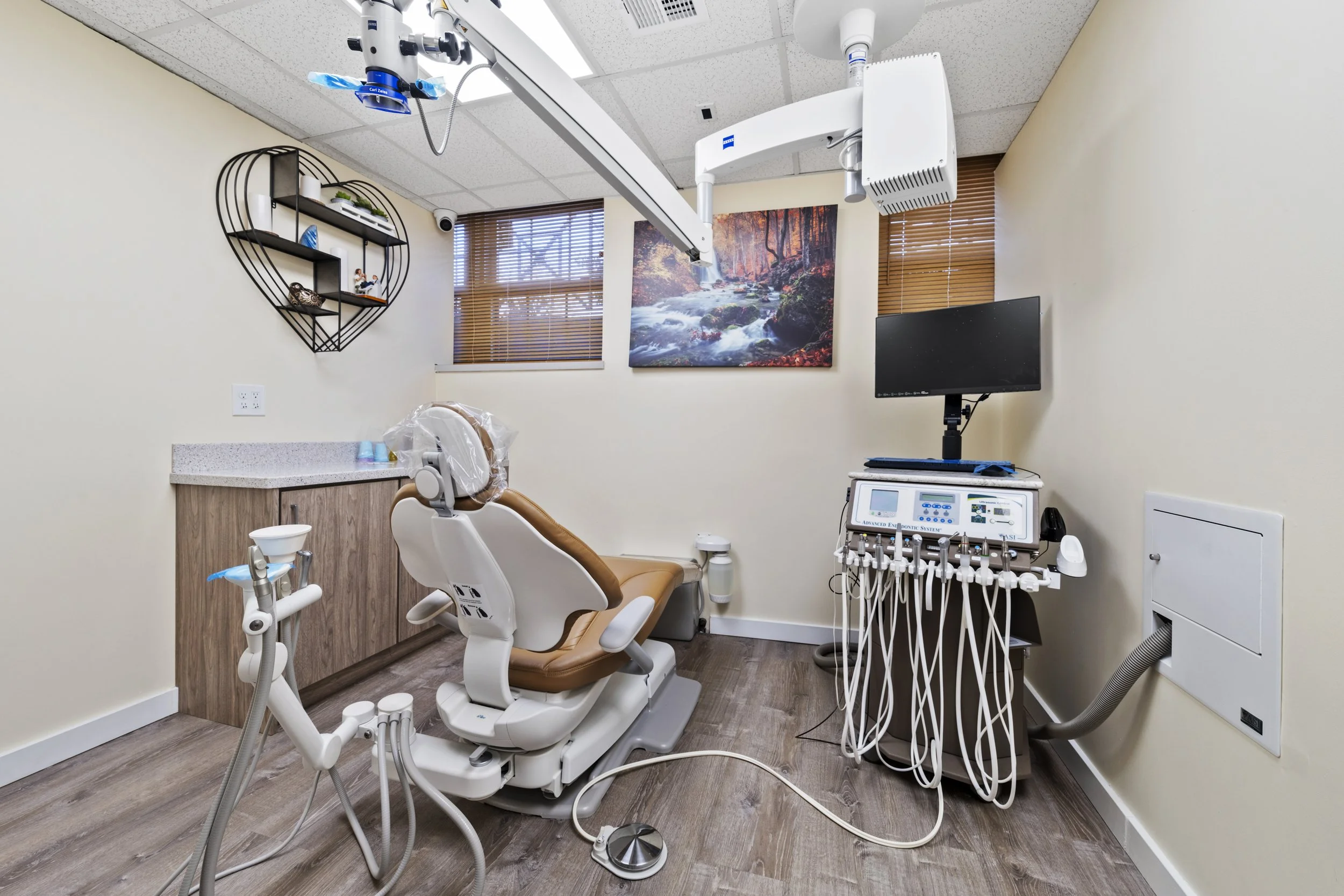
If you have been searching for GentleWave endodontics, you are probably asking a very reasonable question: how thoroughly will my root canal be cleaned? The answer matters, because the success of a root canal depends heavily on how well the inside of the tooth is disinfected. At Gentle Touch Endodontics, Dr. Luba Borukhova combines a surgical operating microscope, careful cleaning and shaping, the right disinfecting solutions, EndoActivator sonic activation and ozone therapy to clean and disinfect the canals as thoroughly as possible. This article explains what each step does and why they work well together.
What Is GentleWave Technology in Endodontics?
GentleWave is a branded root canal cleaning system that some endodontists use. It is designed to circulate treatment fluids through the canal system. Patients often hear about it online and want to know whether it is something they need. The more useful question is what actually makes a root canal clean, because that is what protects the tooth in the long run.
Why Cleaning Matters So Much in a Root Canal
A tooth is not a simple hollow tube. Inside each root is a main canal, and branching off it can be smaller side canals, tiny connecting channels and narrow, curved spaces that are difficult to see. When the nerve of a tooth becomes infected, bacteria can spread into all of these spaces.
Small files and instruments shape the main canal and remove infected tissue, but they cannot touch every surface. Whatever is left behind can keep irritating the bone around the root and may cause pain, swelling or a root canal that fails later. That is why disinfection, and not just shaping, is such an important part of treatment.
How Dr. Luba Cleans and Disinfects Root Canals
Seeing the tooth clearly
Treatment begins with a clear picture of the tooth. Dr. Borukhova uses a surgical operating microscope in virtually every root canal case, which lights and magnifies the inside of the tooth so that hidden canals and fine cracks are easier to find. 3D CBCT imaging is available in the office to evaluate roots and the surrounding bone when more detail is needed.
Cleaning and shaping the canals
Once the tooth is numb and comfortable, the canals are cleaned and shaped to remove infected and inflamed tissue and to create a path for the disinfecting solutions to travel through the whole root.
Disinfecting irrigation
Throughout treatment, the canals are rinsed with disinfecting solutions. Dr. Luba uses all the necessary irrigants for each case. These solutions reach where instruments cannot, helping to remove debris, clean the canal walls and reduce bacteria.
Sonic activation with the EndoActivator
A solution only works where it flows. The EndoActivator is a small handheld sonic device with flexible tips. Placed in the canal, the tip vibrates rapidly and stirs the solution, moving it into the narrow side channels and small spaces beside the main canal. The solution is then refreshed and the step is repeated as needed.
Ozone therapy in selected cases
In selected cases, ozone is added as an extra step to support disinfection of the treated area. It works alongside the cleaning, shaping and irrigation, not instead of them. You can read more on our page about ozone therapy for root canal treatment.
Sealing the canals
When the canals are clean, they are dried and filled so that bacteria cannot return. Your general dentist then places the final filling or crown to protect the tooth. A good seal on both ends is part of what keeps a root canal lasting.
Why These Steps Work Better Together
Each step does a different job. The microscope helps find every canal. Shaping opens the way. The disinfecting solutions clean the canal. Sonic activation helps those solutions travel into hard-to-reach spaces, and ozone adds support for disinfection. Dr. Luba uses all the necessary irrigants in conjunction with ozone and EndoActivator activation to improve the cleaning and disinfection of the canals, and the approach is adapted to the tooth in front of her.
What Matters Most, With Any Technology
No single device decides whether a root canal succeeds. The result depends on the whole process: an accurate diagnosis, finding every canal, thorough cleaning and shaping, effective disinfection, a well-sealed filling and a good final restoration. If you are comparing endodontists, ask how the canals will be located, cleaned and disinfected, and what happens after treatment. A clear answer is a good sign.
What to Expect at Your Visit
Treatment is done with local anesthetic, and relaxation methods, including nitrous oxide, are available for patients who feel anxious. Appointments are usually available within 24 to 48 hours. You can read more about the process in our guide to endodontic care and the root canal procedure and what to expect at a root canal consultation. If you are in severe pain or have swelling, see our page on emergency root canal care.
GentleWave Alternative: Frequently Asked Questions
How are the canals cleaned and disinfected?
Dr. Luba uses all the necessary irrigants in conjunction with ozone and EndoActivator sonic activation to improve the cleaning and disinfection of the canals. The approach is chosen for each case.
How does the EndoActivator compare to GentleWave?
They are different devices made by different companies. Both are designed to improve how irrigating solutions move through the canal system. The EndoActivator is a handheld sonic device with flexible tips.
Does the cleaning method decide whether a root canal succeeds?
Cleaning and disinfection are essential, but success depends on the whole process: diagnosis, finding every canal, cleaning and shaping, disinfection, a sealed filling and a good restoration. Ask at your consultation how Dr. Borukhova would treat your tooth.
Does ozone replace the root canal?
No. Ozone is an added step in selected cases. It works alongside, not instead of, careful cleaning, shaping and sealing.
Will treatment be uncomfortable?
Treatment is done with local anesthetic, and relaxation methods, including nitrous oxide, are available for patients who are anxious. Some soreness afterward is normal.
Will I need a crown afterward?
Often a root canal tooth is protected with a crown or a permanent filling placed by your general dentist. Dr. Borukhova will tell you what she recommends for your tooth.
Where do your patients come from?
Our office is at 99 Hillside Ave, Suite W, Williston Park, NY 11596. Patients come from across Long Island, including Massapequa and Hewlett, and from Queens and Brooklyn. See the areas we serve, or request a consultation.