Dental Restoration After Root Canal Treatment: What to Expect
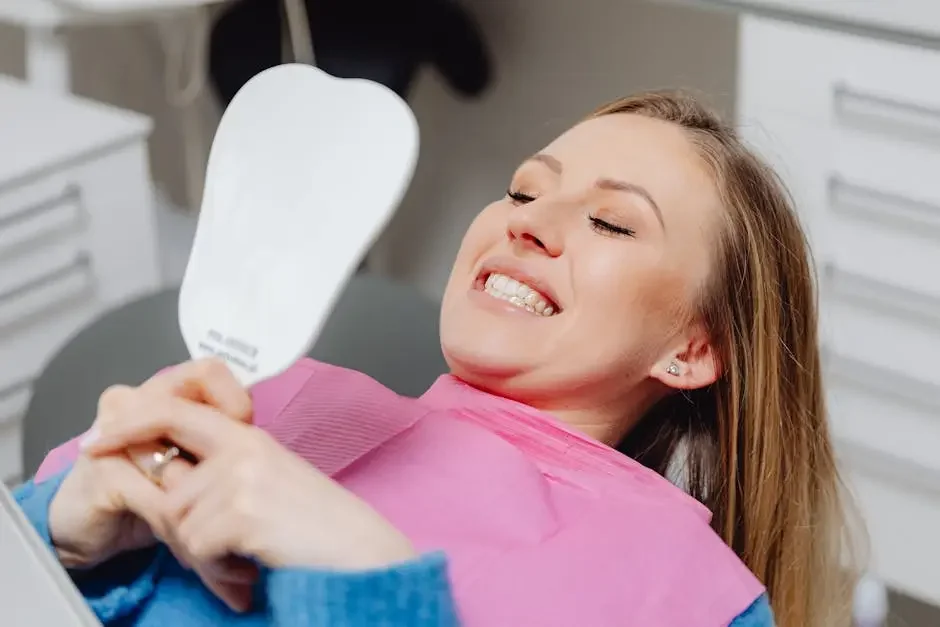
Root canal treatment cleans and seals the inside of a tooth, but the tooth still needs a durable restoration to prevent leakage and protect weakened structure. Depending on the tooth and the amount of healthy tissue remaining, the final restoration may be a bonded filling, onlay, or crown.
Why Is a Restoration Needed After a Root Canal?
Decay, cracks, previous fillings, and the access opening used during treatment can reduce the tooth’s strength. A well-sealed restoration limits bacterial contamination and helps distribute chewing forces. Root canal treatment and restorative treatment serve different purposes, and both may be necessary for long-term function.
Temporary Filling vs. Final Restoration
A temporary material may close the access opening between appointments or while the tooth is healing. It is not intended to provide permanent protection. Avoid hard and sticky foods, and contact the treating office if the temporary filling loosens or comes out.
Filling, Onlay or Crown?
The choice depends on the tooth’s location, remaining walls, bite forces, cracks, and previous restorations. A limited access opening in a structurally sound front tooth may require a bonded restoration, while a weakened back tooth often needs cuspal coverage with an onlay or crown. The restorative dentist determines the final design.
How Soon Should the Tooth Be Restored?
Follow the endodontist’s and restorative dentist’s timing instructions. Unnecessary delay can expose the tooth to leakage or fracture. Some teeth receive an immediate buildup; others require observation or completion of additional treatment first.
What to Expect Before the Final Restoration
The tooth may remain mildly tender for a short period after root canal treatment. Protect it from heavy chewing until the final restoration is completed. Report swelling, severe or worsening pain, bite problems, or loss of the temporary material.
Caring for the Restored Tooth
- Brush twice daily with fluoride toothpaste.
- Clean between the teeth every day.
- Avoid chewing ice and hard objects.
- Wear a mouthguard for contact sports.
- Discuss a nightguard if you grind or clench.
- Keep dental examinations and cleanings.
- Have new pain, looseness, or damage evaluated promptly.
Can a Root-Canal-Treated Tooth Still Crack?
Yes. The tooth does not become brittle simply because the pulp was removed, but it may already be structurally weakened by decay, cracks, or large restorations. Appropriate coverage and avoiding excessive forces can reduce risk but cannot eliminate it.
How Long Can the Restoration Last?
Longevity depends on remaining tooth structure, restoration design, bite forces, oral hygiene, decay risk, grinding, and regular maintenance. No restoration is permanent. Early repair of wear, leakage, or chipping may prevent a larger failure.
When to Contact the Dentist or Endodontist
Call if the temporary or final restoration breaks, the bite feels high, the tooth develops new sensitivity or biting pain, swelling occurs, or previous symptoms return. The restorative dentist evaluates the crown or filling; the endodontist evaluates concerns involving the root canal system and tissues around the root.
For more information, review what happens during root canal treatment and our aftercare guidance. Contact Gentle Touch Endodontics if a treated tooth develops endodontic symptoms.
Frequently Asked Questions About Restoring a Root-Canal-Treated Tooth
Does every root canal tooth need a crown?
No. The decision depends on tooth position, remaining structure, cracks, and bite forces. Back teeth commonly need cuspal coverage, while some front teeth can be restored more conservatively.
Can I chew before the crown is placed?
Follow the treating clinicians’ instructions and avoid heavy chewing on a tooth protected only by temporary material. Even if it feels comfortable, it may remain vulnerable to fracture or loss of the temporary seal.
What if the temporary filling falls out?
Contact the office promptly. The canal system and remaining tooth need protection from contamination and damage. Do not use household glue or improvised permanent materials.
Why does the bite feel different?
A temporary or final restoration that contacts too heavily can make the tooth sore when chewing. Bite adjustment may be needed. Persistent biting pain can also have other causes and should be evaluated.
Can decay occur after a root canal?
Yes. The outer tooth remains susceptible to decay. Daily hygiene, fluoride exposure, diet, and regular examinations remain important after treatment.
Preparing for the Final Restoration
Before the restorative appointment, ask what type of restoration is recommended, how much tooth structure remains, and whether the tooth will need a core buildup, onlay, or crown. Tell the dentist about persistent tenderness, swelling, or a bite that feels unusually high before the final restoration is completed.
Choosing the Restorative Dentist and Treatment
The endodontist treats the canal system, while the general or restorative dentist rebuilds and protects the tooth. Coordination between the offices helps ensure that the restoration seals the access opening, restores the bite, and protects weakened cusps when necessary.
Anesthesia and Comfort
Restorative treatment can usually be completed with local anesthesia when needed. Patients with dental anxiety should discuss comfort options before the visit rather than waiting until treatment begins.
Common Myths About Dental Restoration After Root Canal Treatment
Myth: A Tooth Without Pain Does Not Need Its Final Restoration
Loss of nerve sensation does not protect a tooth from leakage, decay, or fracture. The recommended restoration should be completed promptly even when the tooth feels comfortable.
Myth: Every Root-Canal-Treated Tooth Receives the Same Restoration
The correct restoration depends on the tooth’s location, remaining structure, biting forces, existing restorations, and crack risk. Front teeth and back teeth often have different restorative needs.
Myth: A Crown Makes the Tooth Indestructible
A crown can protect weakened tooth structure, but the tooth still requires brushing, interdental cleaning, routine examinations, and attention to grinding or hard-chewing habits.
Myth: Home Remedies Can Repair a Lost Temporary Filling
Temporary dental materials cannot replace professional evaluation and sealing. If a temporary filling is lost or the tooth fractures, contact the treating office promptly.