Does a Root Canal Hurt? Pain, Anesthesia and Recovery
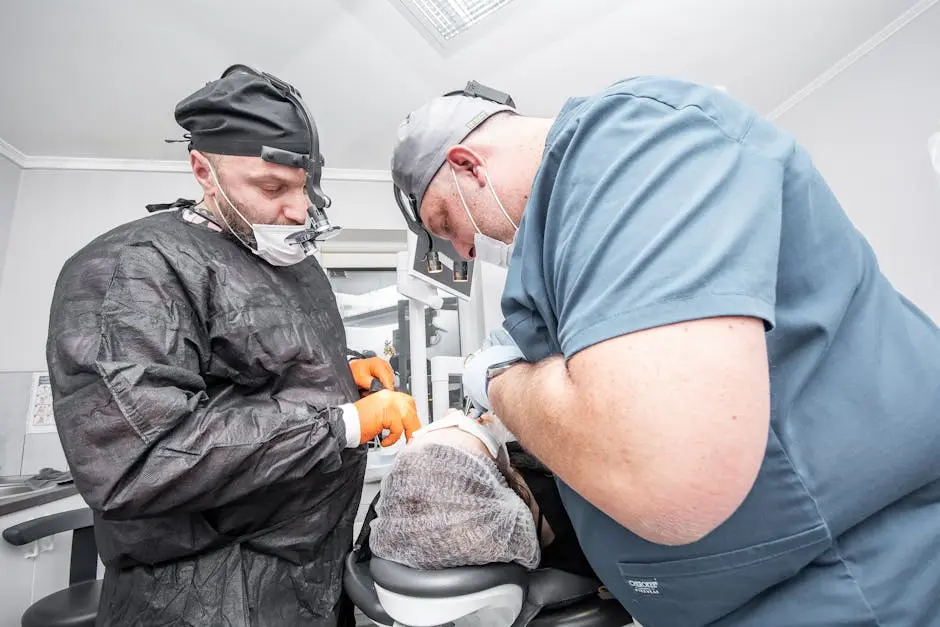
Modern root canal treatment is performed with local anesthesia, and the goal is to keep the tooth and surrounding tissues comfortable throughout the procedure. Many patients seek care because an inflamed or infected tooth already hurts; treatment addresses that source rather than creating it.
What Does a Root Canal Feel Like?
After the area is numb, you may notice pressure, vibration, or movement. Sharp pain should be reported immediately so anesthesia and comfort can be reassessed. Inflamed tissue, unusual anatomy, anxiety, and individual response can affect the experience.
How the Tooth Is Numbed
Local anesthetic is placed around the treatment area. The endodontist confirms numbness before beginning and can use additional techniques when a severely inflamed tooth is difficult to anesthetize. Sedation and anxiety-management options, when offered, are separate from local anesthesia and require specific preparation.
Why the Tooth May Be Sore Afterward
The tissues around the root can remain irritated after treatment, particularly if the tooth was painful or infected beforehand. Mild biting tenderness or soreness may occur temporarily and should generally improve. A temporary restoration or bite imbalance can also affect comfort.
How to Manage Temporary Discomfort
Follow the postoperative instructions provided for your tooth. Avoid chewing until numbness is gone and protect a tooth with a temporary filling from hard or sticky foods. Take only medications recommended for you and follow the label or prescription. Do not stop prescribed medication without guidance from the clinician managing it.
When Pain Is Not Normal
Call the office for severe or worsening pain, increasing swelling, fever, drainage, an allergic reaction, a temporary filling that comes out, or symptoms that return after improving. Difficulty breathing or swallowing requires emergency medical care.
Does Every Painful Tooth Need a Root Canal?
No. Cracks, gum problems, bite trauma, sinus pressure, and jaw-muscle pain can mimic pulpal pain. Diagnostic testing is necessary before treatment. Some infected teeth also cause little pain and are identified through examination and imaging.
Will the Tooth Feel Normal Again?
After healing and final restoration, the tooth should function in the bite, although it no longer contains vital pulp tissue. A crown, onlay, or filling may be required to protect the remaining structure. The tooth still needs daily hygiene and regular dental examinations.
Review the root canal procedure step by step, check symptoms that may need evaluation, or contact Gentle Touch Endodontics.
Frequently Asked Questions About Root Canal Pain
Is the injection painful?
A brief pinch or pressure can occur when local anesthetic is given. Topical anesthetic and careful injection technique may reduce discomfort. Tell the endodontist if you are anxious or have had difficulty becoming numb in the past.
Why did the tooth hurt more before treatment?
Inflammation inside a rigid tooth can create pressure and sensitivity. Infection may also irritate tissues around the root. Root canal treatment removes the affected pulp tissue and disinfects the canal system.
How long should soreness last?
Temporary tenderness varies by case and should trend toward improvement. The office should evaluate pain that becomes stronger, persists beyond the expected period, or occurs with swelling, fever, drainage, or a bite that feels uneven.
Can I be sedated?
Availability and suitability depend on the practice, procedure, medical history, and transportation arrangements. Sedation does not replace local anesthesia. Discuss anxiety and options before the appointment.
Is extraction less painful than a root canal?
Both procedures use anesthesia. The appropriate choice depends on whether the tooth can be predictably restored, not on a general assumption about pain. Extraction also creates a space that may require replacement planning.
Why Modern Root Canal Treatment Is More Comfortable
Modern endodontic care combines profound local anesthesia, accurate diagnosis, efficient instruments, tooth isolation, and clear communication. Treating the inflamed or infected tissue inside the tooth is intended to relieve the source of pain rather than create it.
Local Anesthesia
The area is numbed before treatment begins. The endodontist tests comfort and can provide additional anesthesia when needed. Teeth with severe inflammation sometimes require extra time or supplemental techniques to become fully numb.
Nitrous Oxide Sedation
Patients who feel anxious can ask about nitrous oxide sedation for root canal treatment. Laughing gas works quickly, promotes relaxation, and allows the patient to remain awake and responsive.
Communication During Treatment
You can arrange a hand signal before the procedure so the team knows when you need a pause. Tell the endodontist about past anesthesia problems, dental fear, a sensitive gag reflex, or difficulty remaining comfortable for longer appointments.
Pain Before and After a Root Canal
Many patients seek treatment because the tooth is already inflamed, infected, or painful. Tenderness after treatment is different from the intense spontaneous pain that often leads to the appointment and generally improves as the surrounding tissues recover.
How to Prepare for a Comfortable Appointment
Follow instructions about eating and medication.
Share your complete medical history and current medications.
Ask about sedation and transportation before the appointment.
Plan a lighter schedule if the tooth has been severely painful.
Arrange the final restoration so the treated tooth remains protected.
Comfort-Focused Root Canal Treatment in Williston Park
Gentle Touch Endodontics provides advanced root canal care for patients in Williston Park, Mineola, Garden City, New Hyde Park, Roslyn, Albertson, and throughout Nassau County. Request an evaluation if tooth pain, temperature sensitivity, swelling, or fear of treatment is preventing you from getting care.