How to Care for a Crown or Restoration After Root Canal Treatment
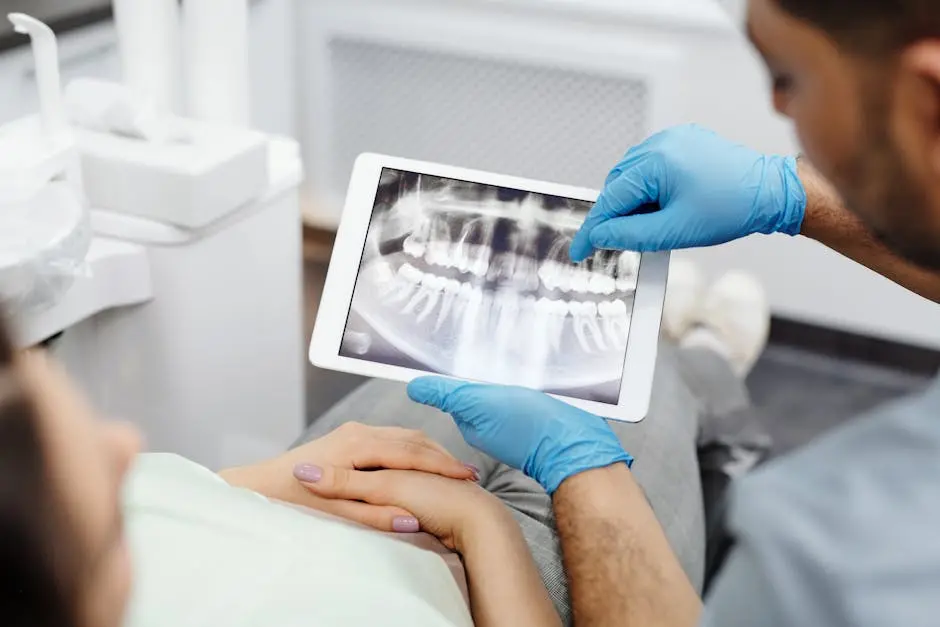
A final dental restoration protects a root-canal-treated tooth from leakage, decay, and fracture. Daily care, regular dental examinations, and attention to changes in the bite can extend the life of a crown, filling, onlay, or other restoration.
Why Restoration Care Matters After a Root Canal
Root canal treatment removes inflamed or infected tissue from inside the tooth, but the tooth still depends on its external restoration for strength and a durable seal. Back teeth often require cuspal protection because chewing forces can place weakened tooth structure at risk.
12 Ways to Protect a Dental Restoration
1. Complete the Final Restoration Promptly
Do not leave a temporary filling in place longer than recommended. Delaying the crown or final restoration can allow leakage, wear, or fracture.
2. Brush Thoroughly but Gently
Use fluoride toothpaste and clean the gumline without aggressive scrubbing. Plaque can collect at restoration margins even when the crown or filling itself cannot decay.
3. Clean Between the Teeth Daily
Floss or use another recommended interdental cleaner to remove plaque beside the restoration. Slide floss out gently when instructed around a temporary restoration.
4. Keep Preventive Dental Visits
Routine examinations allow the dentist to check the restoration margins, bite, gum health, recurrent decay, and changes visible on dental imaging.
5. Avoid Chewing Hard Objects
Ice, hard candy, pens, nutshells, and similar objects can fracture natural tooth structure or restorative materials.
6. Address Grinding and Clenching
Heavy nighttime forces can chip porcelain, loosen restorations, and contribute to cracks. Ask whether a night guard would help protect the tooth.
7. Use an Athletic Mouthguard
A properly fitted mouthguard protects restored teeth from impact during sports and physical activity.
8. Limit Frequent Sugar and Acid Exposure
Decay can begin where the restoration meets natural tooth structure. Reduce frequent sugary snacks, acidic drinks, and prolonged sipping between meals.
9. Stay Hydrated
Saliva protects tooth surfaces and helps control acidity. Persistent dry mouth should be discussed with the dental team because it increases decay risk.
10. Do Not Use the Tooth as a Tool
Opening packages or holding objects with the teeth creates concentrated forces that can damage restorations.
11. Pay Attention to the Bite
A new restoration that feels high can receive excessive force. Contact the restorative dentist when the tooth hits first or feels uncomfortable during chewing.
12. Respond to Warning Signs
Seek evaluation for a loose crown, lost filling, new biting pain, swelling, drainage, a bad taste, or renewed sensitivity. Early repair can prevent a small problem from becoming a fracture or reinfection.
How Long Do Dental Restorations Last?
Longevity depends on restoration type, remaining tooth structure, bite forces, hygiene, diet, grinding, and decay risk. No restoration lasts forever, but consistent maintenance and early repair can substantially improve service life.
Who Maintains the Tooth After Root Canal Treatment?
The endodontist monitors healing of the root and surrounding tissues. The general or restorative dentist places and maintains the crown, filling, or onlay. Both roles are important to long-term tooth preservation.
Protect Your Root-Canal-Treated Tooth
Learn what to expect when restoring a tooth after root canal treatment. Contact Gentle Touch Endodontics if a treated tooth develops renewed pain, swelling, drainage, or biting tenderness.
Temporary Filling Care Before the Crown or Final Restoration
A temporary filling protects the root canal access between appointments, but it is not designed for long-term chewing forces. Avoid hard, sticky, and crunchy foods on that side. If the temporary material feels lost, the tooth feels open, or the bite changes suddenly, contact the treating office. Do not postpone the permanent restoration simply because the tooth no longer hurts.
Signs a Crown or Restoration Needs Evaluation
New pain when biting or releasing pressure
A crown or filling that feels loose, mobile, or high
A visible chip, crack, or missing piece
Food repeatedly collecting around the margin
Swelling, drainage, a gum bump, or a persistent bad taste
Renewed tenderness in a previously comfortable tooth
These signs can come from the restoration, the bite, decay, a crack, periodontal tissues, or the previously treated root. Evaluation determines whether the restorative dentist, endodontist, or both should be involved.
Eating After a Crown or Dental Restoration
Wait until numbness has resolved before chewing so you do not bite the cheek or tongue. Follow the restorative dentist’s instructions about the cement and material used. Begin with manageable foods and report a bite that feels uneven rather than waiting for the tooth to “adjust.”
Cleaning Around Crowns, Onlays, and Fillings
Brush twice daily with fluoride toothpaste and clean between the teeth. Water flossers and interdental brushes can be useful in selected spaces, but they do not automatically replace floss where floss contacts the restoration properly. The dentist or hygienist can demonstrate the best method for the restoration and gumline.
Frequently Asked Questions About Restoration Maintenance
Can a tooth decay beneath a crown?
Yes. Decay can begin where the crown margin meets natural tooth structure, especially when plaque accumulates or dry mouth increases risk.
Can a root-canal-treated tooth still hurt?
The pulp has been removed, but tissues around the root remain capable of feeling pressure and inflammation. New pain should be evaluated.
Does every root canal tooth require a crown?
Not always. Restoration choice depends on tooth position, remaining structure, existing damage, and chewing forces. Back teeth commonly require cuspal coverage.
How often should the restoration be checked?
It should be examined during routine dental visits and whenever symptoms develop. The endodontist may also recommend follow-up imaging to evaluate healing around the root.
Dental Restoration Follow-Up in Williston Park
Gentle Touch Endodontics evaluates renewed pain, swelling, biting tenderness, and possible reinfection in root-canal-treated teeth for patients throughout Williston Park and Nassau County.